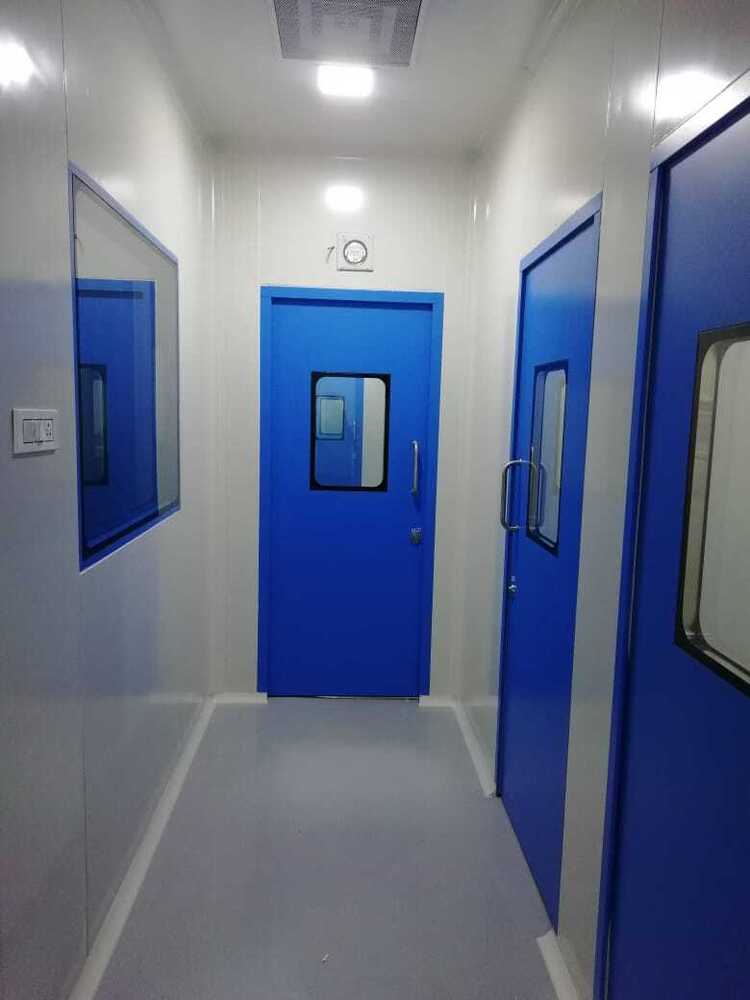
About Clean Room PCGI Doors
Types of Cleanroom Doors
Swing Doors Hinged
Manual or automatic
Simple design often used in less critical areas
Sliding Doors
Spacesaving
Typically automated to reduce touchpoints
Hermetically Sealing Doors
Offer a complete seal around the door
Ideal for critical applications eg isolation rooms bio labs
RollUp HighSpeed Doors
Used in frequently accessed zones
Fast openingclosing reduces air exchange
Key Features
Smooth flush surfaces Easy to clean no particle traps
Airtight seals or gaskets Prevent crosscontamination
Stainless steel or coated steel Durable and easy to sanitize
Interlocking systems Prevent simultaneous opening of adjacent doors airlocks
Vision panels Often doubleglazed with flush mounting
Standards Compliance
Must meet ISO 14644 cleanroom classifications
May follow GMP FDA or EU cGMP guidelines depending on industry
Common Applications
Pharmaceutical manufacturing
Semiconductor fabrication
Hospitals eg operating theaters
Food beverage processing
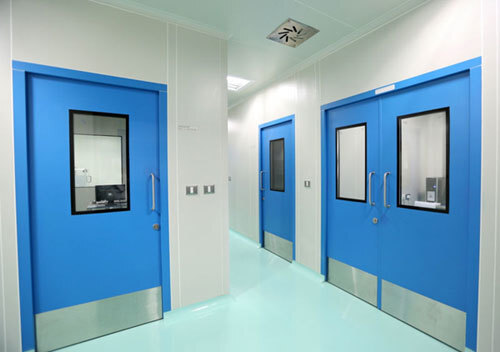
Engineered for Precision and ComplianceBuilt to meet the stringent requirements of GMP, cGMP, and ISO 14644, these clean room doors ensure optimal safety and operational efficiency. Their surface is chemical resistant, corrosion resistant, and easy to clean, supporting daily maintenance routines common in pharmaceutical and laboratory settings. Each door comes pre-engineered for hassle-free installation, saving valuable time on site.
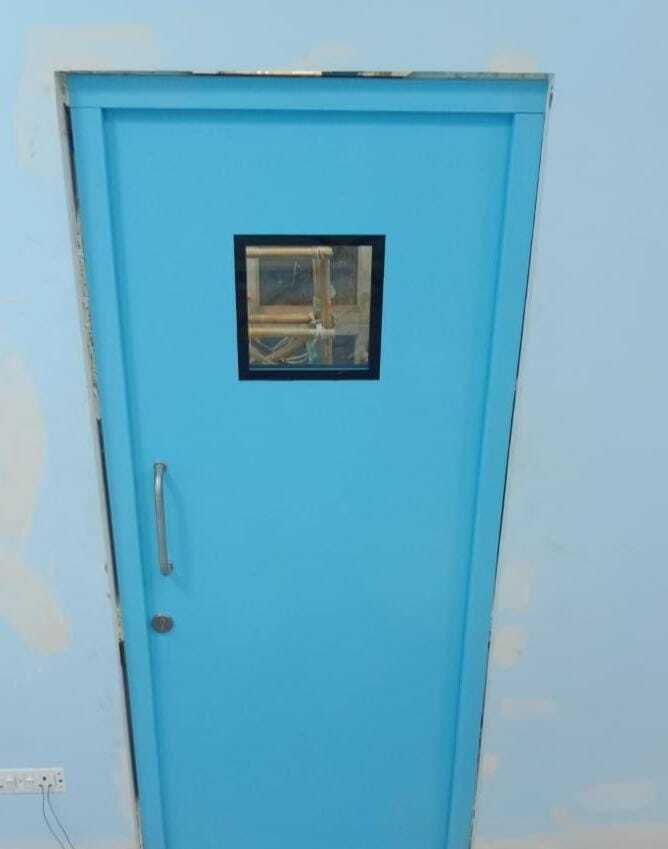
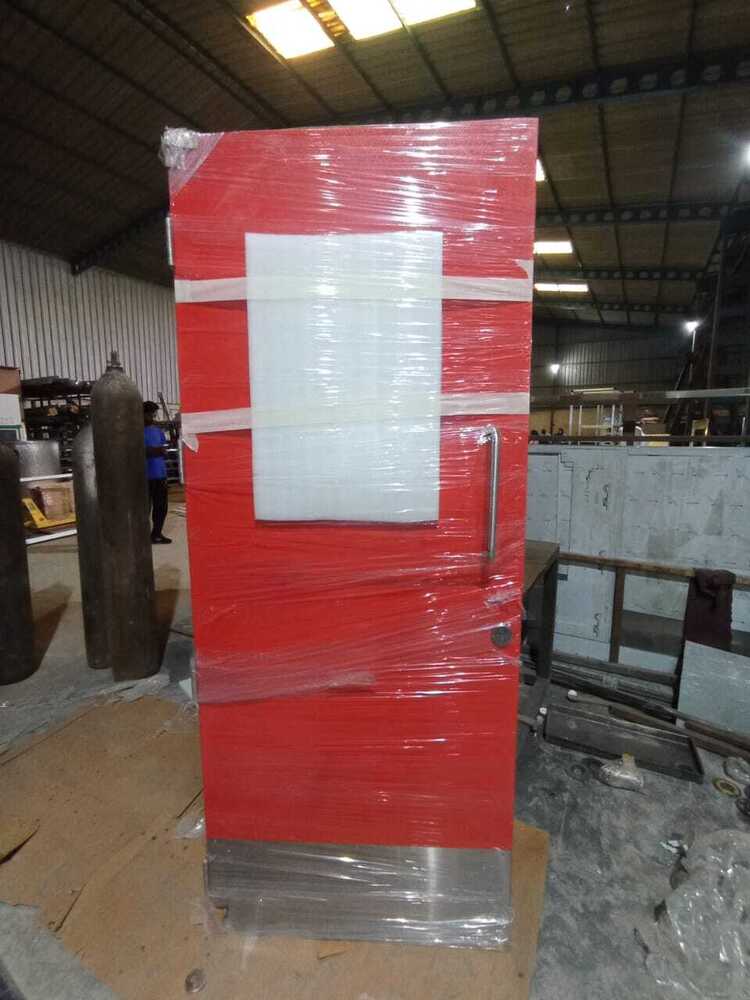
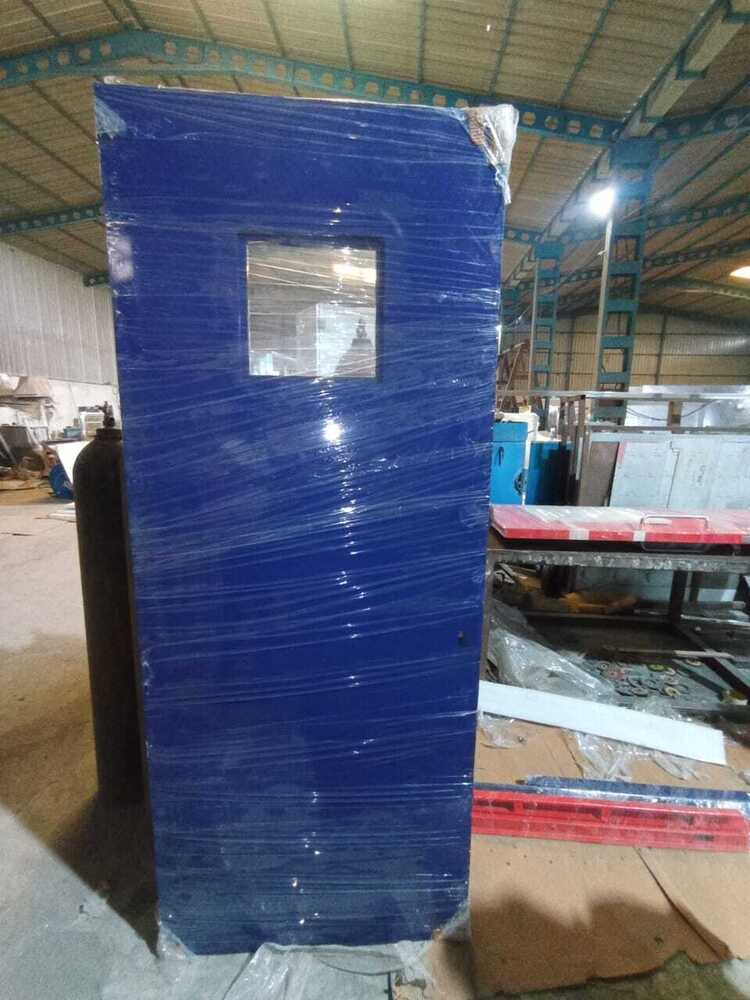
Customizable Features for Specialized SpacesChoose from single or double leaf designs, antibacterial finishes, vision panels with double-glazed glass, and an extensive range of RAL color options, allowing seamless integration into any clean room or laboratory. With options for fire resistance, various lock mechanisms, and acoustic sealing, these doors are adaptable to suit diverse industrial specifications and controlled environment needs.
FAQ's of Clean Room PCGI Doors:
Q: How do Clean Room PCGI Doors support controlled environments?
A: These doors incorporate airtight synthetic rubber gaskets, double-glazed vision panels, and antibacterial powder coatings. This combination minimizes contamination risk, controls air leakage, and facilitates easy cleaning, thus upholding stringent industry protocols for sterile environments.
Q: What are the customization options available for these doors?
A: You can choose from single or double leaf types, a range of RAL colors, various sizes and dimensions, fire-rated variants, clear or frosted glass, and customized hardware such as SS 304 mortise locks or lever handles.
Q: When should I consider a fire-rated door variant?
A: Opt for the fire-rated variant if your application requires enhanced safety measures, especially in facilities with strict fire safety regulations or where high-value or hazardous materials are handled.
Q: Where are these doors commonly installed?
A: These clean room doors are widely used in pharmaceutical plants, biotech labs, electronic manufacturing facilities, food processing areas, and any environment demanding high contamination control and sterile entry/exit points.
Q: What is the installation process like for these doors?
A: Each door is pre-engineered and supplied with detailed fitting instructions. This allows for seamless on-site installation by professional technicians, reducing downtime and setup complexity.
Q: How does the door design contribute to hygiene and durability?
A: The flush design with antibacterial powder coating, seamless glass panels, and concealed hinges prevents dirt accumulation and facilitates frequent wash-downs. PCGI construction ensures lasting durability and corrosion resistance.
Q: What benefits do facilities gain by choosing these clean room doors?
A: Facilities achieve easier regulatory compliance, greater operational efficiency, superior air and sound insulation, durable and low-maintenance surfaces, and customizable designs for specific environmental and aesthetic requirements.





 Send Inquiry


 Send Inquiry
 Send Inquiry
 Send SMS
 Call Me Free
